Narendra Modi’s austerity appeals reveal how war, energy insecurity and dollar pressures expose the fragility of globalisationThe Indian prime minister’s call for sacrifice last week marks a fundamental shift. He urge...
See moreNarendra Modi’s austerity appeals reveal how war, energy insecurity and dollar pressures expose the fragility of globalisation
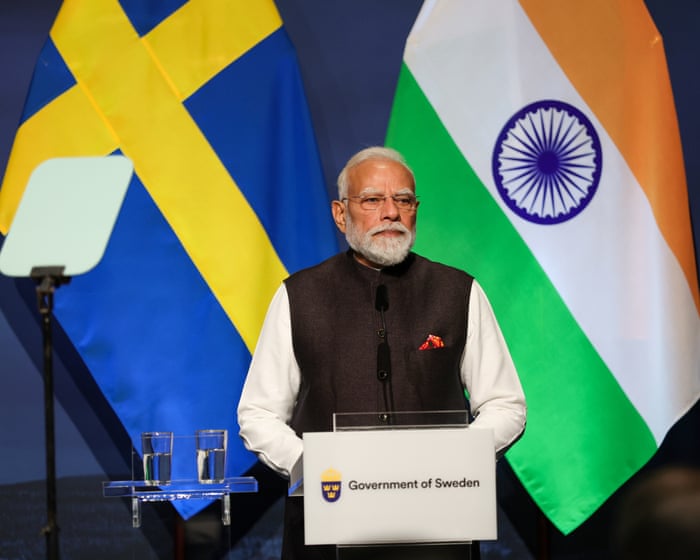
The Indian prime minister’s call for sacrifice last week marks a fundamental shift. He urged the country’s 1.4 billion people to consume less fuel and fertiliser, buy less gold and curb foreign travel as global energy prices surge because of the war in Iran. The message, redolent of the Covid-era restrictions, suggests something larger: a retreat from neoliberal globalisation in Asia and the return of strategic economic management. The Hindu nationalist Narendra Modi waited for key regional elections to finish before pressing for the austerity measures. He was following other Asian states such as the Philippines, Bangladesh and Sri Lanka, which have made similar requests and even demands of their citizens since March.
Mr Modi made an explicit economic argument: reduce energy imports because India must conserve its foreign exchange. About 90% of India’s oil and gas needs come from abroad. When prices spike, the country faces a higher import bill in dollars, inflation and pressure for higher subsidies. Despite India’s recent economic success, it has not built sufficient productive, export or homegrown green-power capacity to reduce its vulnerability. To prevent the rupee crashing in value, India’s central bank reportedly burned through more than $40bn in reserves.
Continue reading...
Narendra Modi’s austerity appeals reveal how war, energy insecurity and dollar pressures expose the fragility of globalisationThe Indian prime minister’s call for sacrifice last week marks a fundamental shift. He urge...
See more