UK Biobank has my data, but I’m not worried. I know the benefits are too great to consider pulling out | Polly Toynbee
Longitudinal studies are a research jewel, shedding light on motor neurone disease, cot deaths, Alzheimer’s and more. Don’t let the security breach in China put you off joining one
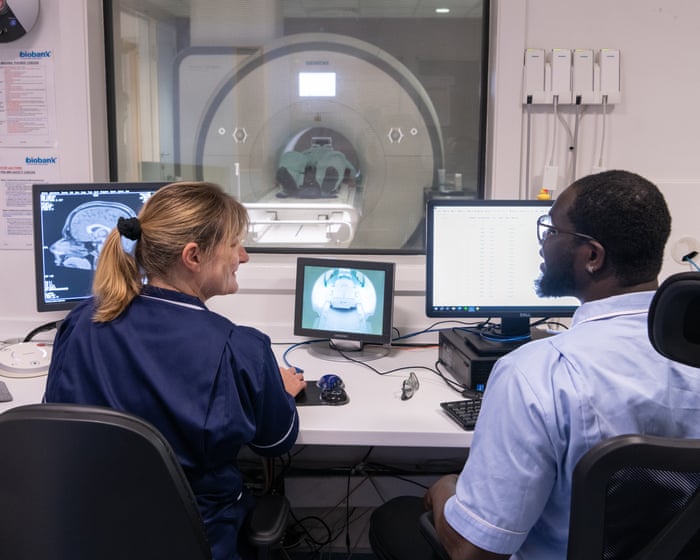
One thing Britain is exceptionally good at is collecting and using health data for research, studying cohorts of people over many decades. A shudder of alarm rippled through the research world at the news this week that UK Biobank’s data had been put up for sale on China’s Alibaba site, with the science minister, Patrick Vallance, saying that more attempts to sell the data in China were expected. Some sensationalised reporting failed to make clear enough that no names, addresses, NHS numbers or other identifiers were included, nor that the Chinese government reacted fast in taking listings down and nothing was sold. But would there be a stampede of participants withdrawing from this or other research programmes?
Biobank dashed to reassure its 500,000 members, and as a longtime volunteer I received a message not only explaining what had happened but listing some of the invaluable research findings and remedies that had already sprung from our data. Remarkably, a representative for Biobank told me that only about 100 people inquired about withdrawing, and after each was spoken to, only 50 actually backed out – pretty impressive. Prof Sir Rory Collins, Biobank’s chief executive, says he will personally speak to any anxious participant.
Polly Toynbee is a Guardian columnist
Continue reading...
May 1, 2026
Medical research
Data protection
China