The Black Ball review – the complicated secrets of gay sexuality in Spain are brilliantly told
Cannes film festival: Threading together three stories from distinct eras of Spanish life, this narrative triptych is superlatively acted and beautifully shot
The Black Ball is a narrative triptych about the lives of three different Spanish men at various times: a meditation derived from Lorca about the secret history of gay men’s sexuality, which has been erased, excluded or denied – sexuality transfigured into a mysterious, restorative poetry of the soul. In Lorca’s words, “only mystery keeps us alive” and in fact the small regret I have about this superlatively acted and beautifully shot film is that once the connection between the three narrative strands is explained, some of the mystery and poetry is lost.
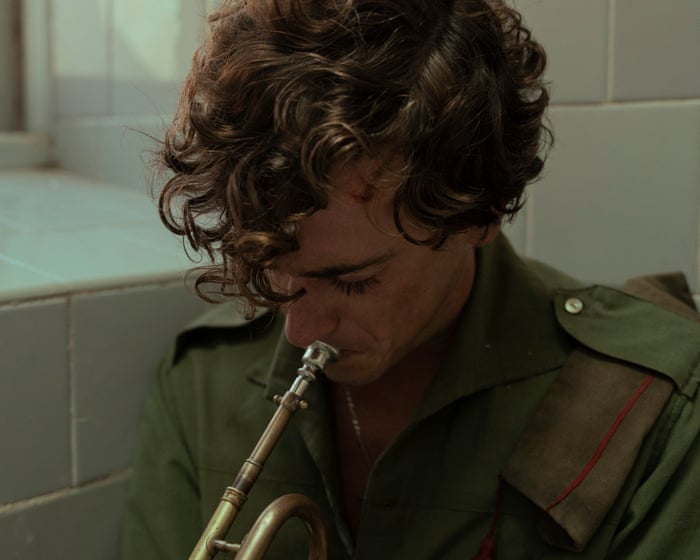
In 1932, Carlos (Milo Quifes) is a young man of a good family in Granada, who applies for membership of the elite “Casino” club but is turned down on the grounds of his rumoured homosexuality, blackballed in an oppressively elaborate ceremony presided over by politicians and clergymen, in which the white and black balls are solemnly rolled down a special chute. In 1939, Sebastián (played by the actor and musician Álvaro Lafuente Calvo) finds himself chaotically enlisted into the pro-Franco nationalist army during the civil war and falls in love with the wounded Republican prisoner-of-war that he is supposed to be guarding. This is Rafael (Miguel Bernardeau), an actor and footballer with Atlético Madrid, an impossibly handsome, captivatingly vulnerable man whose bandages ooze blood like the tears of a miraculous statue.
Continue reading...
May 21, 2026
Cannes film festival
Film
Festivals