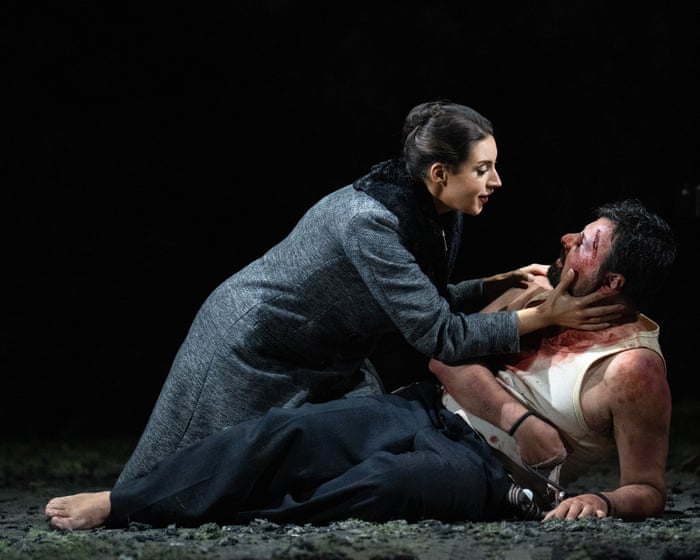
With its screams, sex, bells and bloodshed Puccini’s opera was initially derided as a noisy disaster. Ahead of Glyndebourne’s first ever production, we look the ‘shabby little shocker’ that’s become one of opera’s mos...
See moreWith its screams, sex, bells and bloodshed Puccini’s opera was initially derided as a noisy disaster. Ahead of Glyndebourne’s first ever production, we look the ‘shabby little shocker’ that’s become one of opera’s most bankable masterpieces
Gustav Mahler hated it. Its publisher was convinced it would be a commercial disaster. Critics complained it was mostly just “noise” and predicted that it would quickly be forgotten. But more than 125 years since Tosca’s premiere in January 1900, Giacomo Puccini’s fifth opera remains one of the most bankable in the business.
We love a hard-won success story in classical music. Think of the tales of woe that still swirl around Beethoven’s life and works, with their implied happy ending in our own Beethoven centrism. Or there’s Wagner’s Tannhäuser being booed off the stage in 1861, before finding its way into the operatic pantheon. Or the riot supposedly provoked by Stravinsky’s Rite of Spring at its 1913 premiere, before everyone calmed down and the score was acclaimed a masterpiece.
Continue reading...
With its screams, sex, bells and bloodshed Puccini’s opera was initially derided as a noisy disaster. Ahead of Glyndebourne’s first ever production, we look the ‘shabby little shocker’ that’s become one of opera’s mos...
See more