Tens of millions of women and men worldwide are isolated and enjoy fewer protections than other labourers. Landmark legislation is a sign of hopeDomestic workers are used to hard graft for minimal reward. But in Indon...
See moreTens of millions of women and men worldwide are isolated and enjoy fewer protections than other labourers. Landmark legislation is a sign of hope
Domestic workers are used to hard graft for minimal reward. But in Indonesia, more than two decades of activism has finally paid off. Last month, the country’s parliament passed legislation classifying them as workers, ensuring that they are entitled to health insurance, days off and pensions. It also outlaws hiring under-18s for such jobs. For more than four million people, this is a significant step forward.
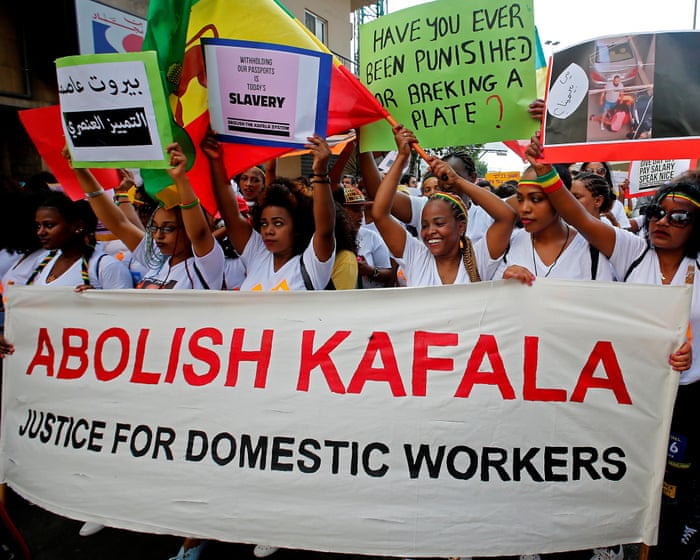
The challenges go far beyond Indonesia. There are around 75 million people in the sector worldwide, experiencing “lower wages, fewer benefits and fewer legal or social protections than other workers”, says the International Domestic Workers Federation. Three-quarters of them are women. Because they work in people’s homes they are isolated, and many get little or no time off. That makes them particularly vulnerable to abuse by employers and particularly hard to organise. Accommodation is often grim and food inadequate.
Continue reading...
Tens of millions of women and men worldwide are isolated and enjoy fewer protections than other labourers. Landmark legislation is a sign of hopeDomestic workers are used to hard graft for minimal reward. But in Indon...
See more