Copy Paste Quotes

A non-controversial public health policy? The UK's gradual ban on smoking has been a PR success | Devi Sridhar

The world will be watching to see how the ban for anyone born after 2009 works out. So far it’s been a win with smokers and non-smokers alike

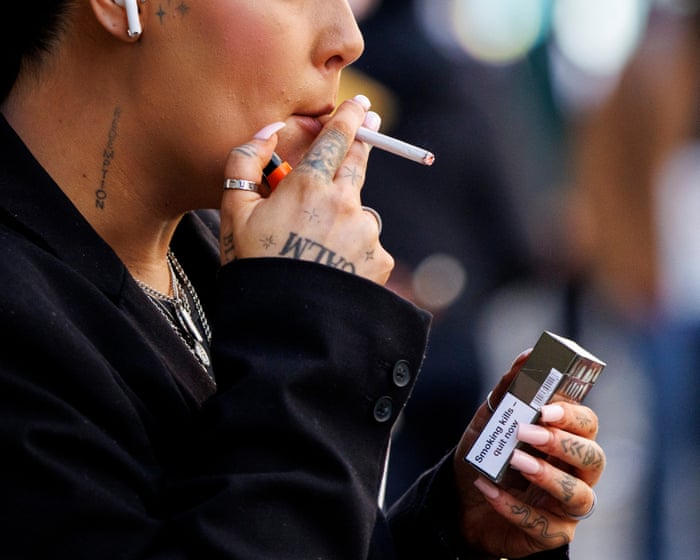
Last week saw the passage of the tobacco and vapes bill, which has a very ambitous aim: to create a “smoke-free generation” and eventually end smoking for ever in the UK. Quite simply, anyone born on or after 1 January 2009 will never be legally able to buy tobacco products. From 2027, the minimum legal age for the sale of tobacco will increase by one year (from the current age of 18) every year. There will be a permanent generational line: everyone above it will still be allowed to buy cigarettes and vapes; everyone below it won’t. But over time the proportion of people allowed to smoke will become smaller and smaller as older citizens die – until one day no one in the UK will be able to legally buy cigarettes.

It’s quite a clever piece of legislation: rather than an outright ban that will result in conflict over rights with smokers now, it gradually reduces the number of those able to purchase tobacco products legally year by year, hopefully leading to further declines in smoking that happens invisibly. Public health researchers will be studying the impact of this legislation (a policy experiment and one of the first of its kind), and whether it could be a model to introduce in other countries and areas.

Prof Devi Sridhar is chair of global public health at the University of Edinburgh, and the author of How Not to Die (Too Soon)

Continue reading...

Apr 29, 2026 Smoking Vaping Health

Need the full article?

Use the dedicated news page for the summary, then jump straight to the original source when you want the complete story.