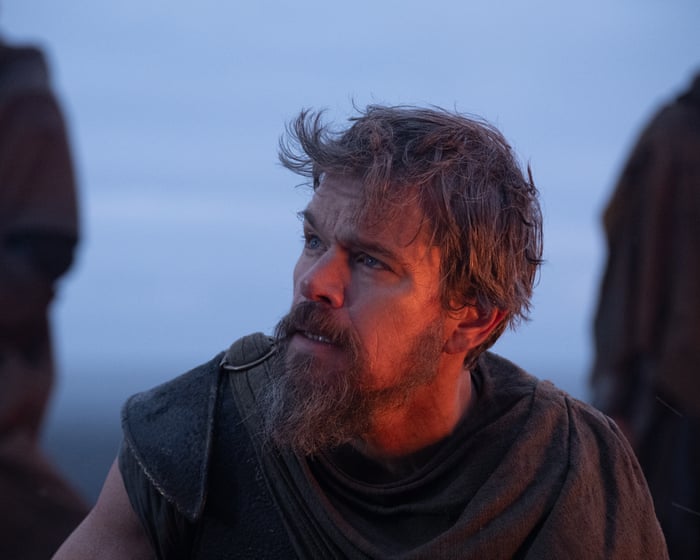
A voyage of discovery: an idiot’s guide to reading The Odyssey
Christopher Nolan’s film adaptation of the ancient Greek epic has sparked a new appetite for an old classic. Here are the translations, podcasts and audiobooks that make the Homeric world more approachable
The Odyssey was once all Greek to me. I struggled to keep up with the characters, the mass of heroes and villains, the swarms of sons and daughters. I found the Homeric formula – repeated stock phrases passed down from the oral tradition – confusing and tiring. The prose in my 1946 EV Rieu translation, revised by his son DCH Rieu, felt laboured and laborious. I have put the Odyssey down, several times, in the course of my life. But, like Sirens, difficult books tend to have a hold on us. The recent film adaptation pushed me to once again try reading the Odyssey, so I decided on a new approach. I spoke to classicists and conducted research, aiming to render the inaccessible accessible.
To read the Odyssey, start by avoiding the Odyssey. “Begin with contextualisation” – get to grips with themes and content – Antony Makrinos, associate professor in classics at UCL and director of the Summer School in Homer 2026, told me. He sent me an exhaustive list of recommendations, and I found myself in the British Museum, mid-heatwave, learning about Mycenaean civilisation and ancient Greece. I cooled down that evening with a Simon Armitage documentary, Gods and Monsters: an intriguing assessment of our flawed hero.
Continue reading...


