You may not sympathise with the Elbit four’s methods. But you should be outraged by their treatment under the law | Geoffrey Robertson
The jurors who found the pro-Palestine activists guilty of criminal damage had no idea their verdict would be treated as a verdict on terrorism
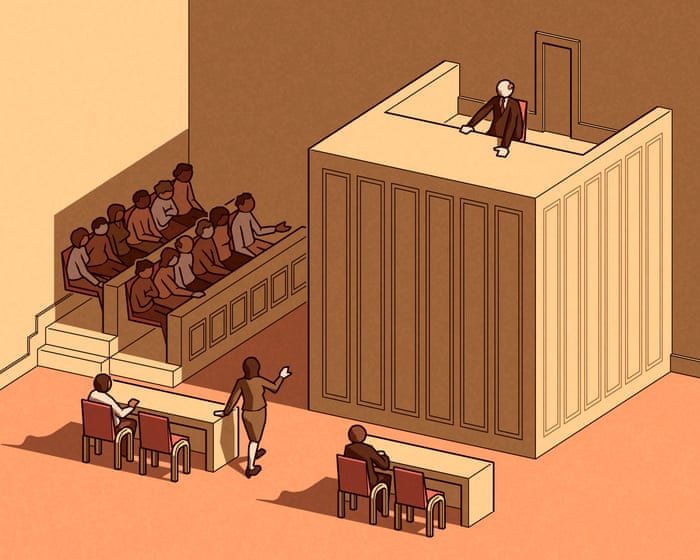
In a London court in 1670, a judge, livid with the jury, locked them away for two days without food, water or even a chamber pot. The jury’s offence? Defying the judge’s direction to convict the Quaker William Penn – the future founder of Pennsylvania – charged with preaching sedition in the City of London. The foreman, Edward Bushell, would not yield and, when the matter reached the chief justice of England, he ruled that no juror could be punished for their refusal to convict, entitling a jury to decide according to its conscience, whatever the bench directed. A plaque honours Bushell at the Old Bailey, so jurors on their way inside may contemplate the man who secured their right to acquit.
The legal principle has held for three and a half centuries and, in my 50 years of practice, I have witnessed many juries bring back “sympathy verdicts”, that is, acquittals, because they think a defendant has been oppressively or unfairly prosecuted. But they are not usually reminded by barristers of their right to do so because of the profession’s concern that they should not be urging juries to lay aside the oath they took to decide according to the evidence.
A version of this article was originally published in The Key magazine
Geoffrey Robertson KC is founding head of Doughty Street Chambers and his latest book is World of War Crimes – Eyeless in Gaza and Beyond
Continue reading...
Jun 20, 2026
Law
Palestine Action
Protest