Copy Paste Quotes

The no-go zone paradox: Chornobyl’s wildlife thrives amid pro-nuclear shift

World’s worst nuclear disaster leaves mixed legacy of nature’s resilience amid serious contamination, as wars increase lobbying for energy supply

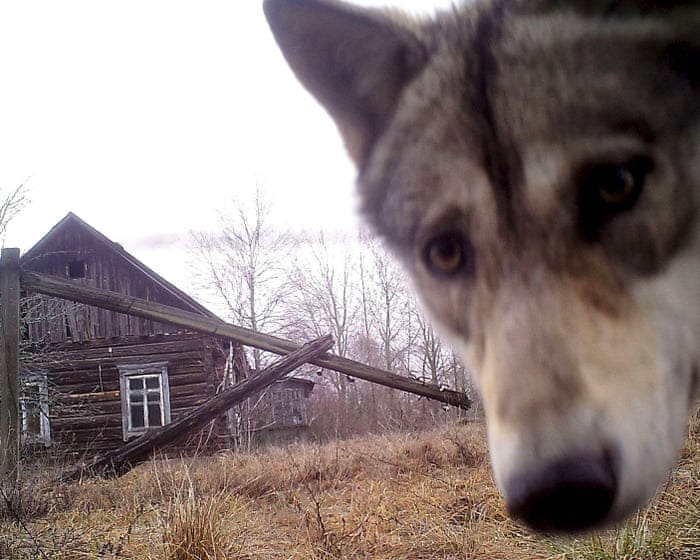
Forty years on from the world’s worst nuclear disaster, Chornobyl is still contaminated with almost half the caesium-137 that exploded from the Unit 4 reactor in 1986, as well other hazards such as plutonium, tritium and americium. But according to some experts, the long-term effects on nature may be less than if the area had been left to humans, resulting in unexpected consequences in an environment left to its own devices.

The reminder of the protracted fallout from Chornobyl was made ahead of Sunday’s anniversary, which coincides with renewed lobbying for nuclear power and a rise in fears about atomic brinkmanship due to the oil crisis and wars in the Middle East and Ukraine.

Continue reading...

Apr 24, 2026 Nuclear power Chornobyl nuclear disaster Ukraine

Need the full article?

Use the dedicated news page for the summary, then jump straight to the original source when you want the complete story.