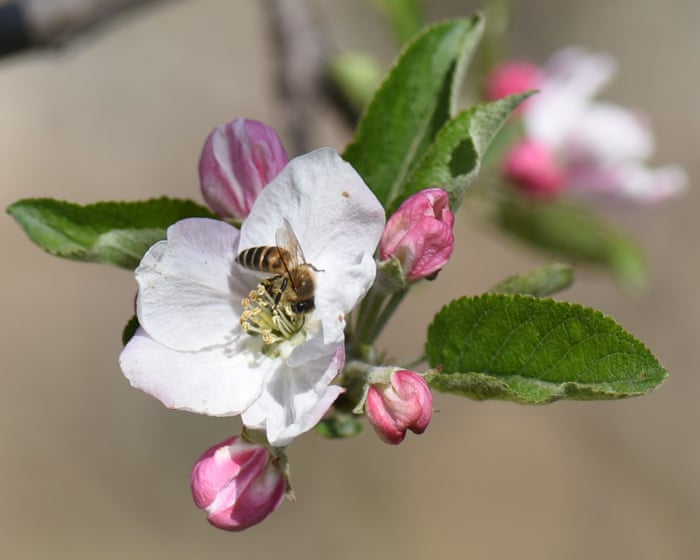
Crops and flowers rely on them for survival, but wild bees are declining – and crucial nutrients will go missing from our diets as a resultThere are few ways in and out of Nepal’s Jumla district. The Karnali highway,...
See moreCrops and flowers rely on them for survival, but wild bees are declining – and crucial nutrients will go missing from our diets as a result
There are few ways in and out of Nepal’s Jumla district. The Karnali highway, considered one of the world’s most dangerous roads, provides the only land link, splicing through the Himalayas to connect Jumla’s terraced valleys to the rest of the country. As such, the 120,000 people that live there are almost entirely self-sufficient, with most of them eating and selling what they grow.
It’s a tenuous existence, plagued by food insecurity and malnutrition. In recent years, local beekeepers have bemoaned languishing hives and dwindling honey production, observing that roughly half of their bees seem to have vanished over the past decade. These concerns, however, ignore an even more insidious impact.
Continue reading...
Crops and flowers rely on them for survival, but wild bees are declining – and crucial nutrients will go missing from our diets as a resultThere are few ways in and out of Nepal’s Jumla district. The Karnali highway,...
See more